
Invisible Architecture
Every morning I read a blog from Admired Leadership. Last Tuesdays’ blog explored the disappointment that inevitably ensues when high performers have a bad day. When you consistently perform at a high level, you and your performance are often taken for granted.
For a recent example of this phenomenon, consider the (over)reaction to the “disappointing” performance of Shai GIlgeous-Alexander in the first game of the Western Conference Finals of the National Basketball Association. He “only” had 24 points and 12 assists. Had anyone else registered those statistics, it would be considered an exceptional performance. But since Mr. Alexander is a two-time MVP and averaged 31 points in the regular season, the punditocracy was in an uproar, hyperventilating over what factors contributed to his “poor” showing.
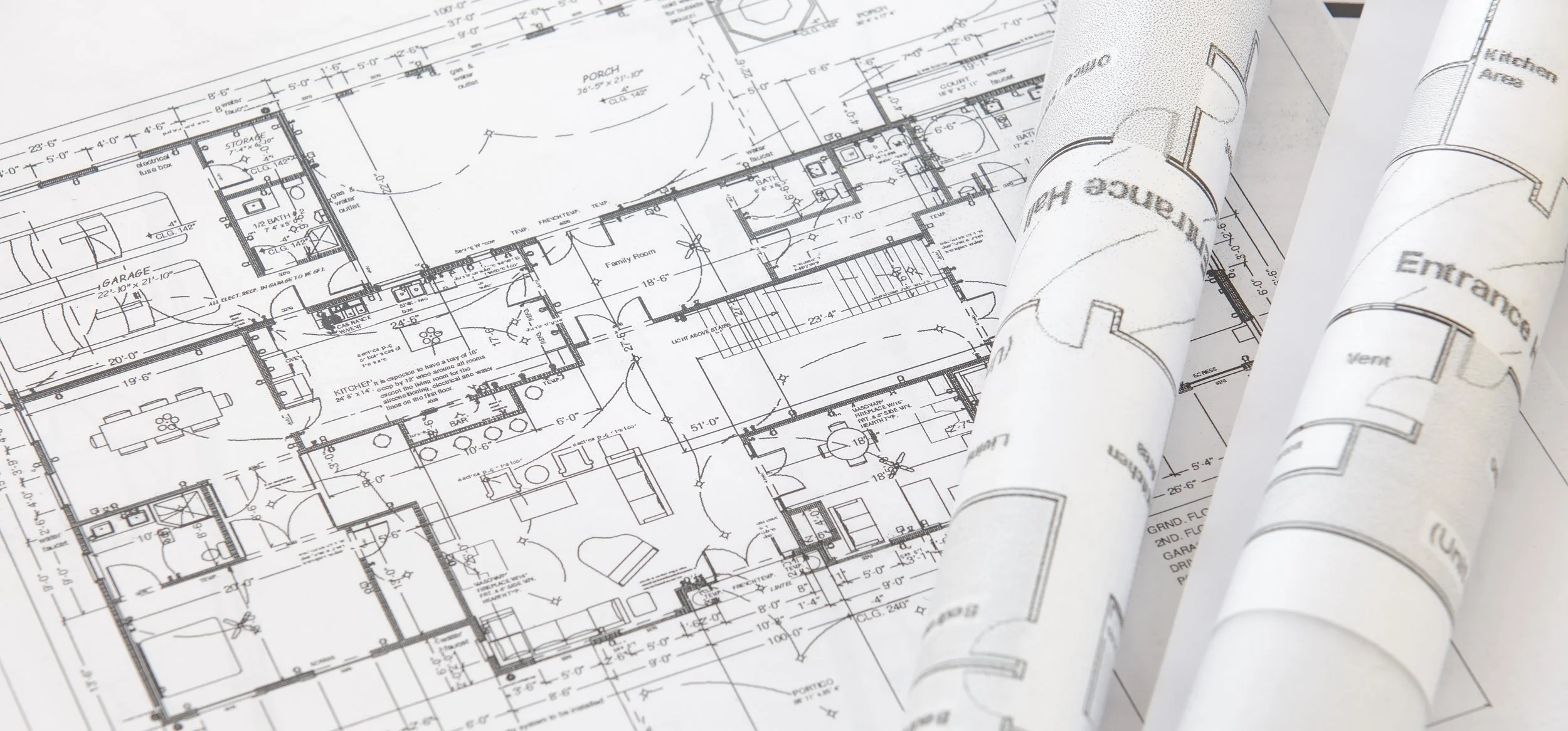
The author of the blog advised that one of the strategies that high performers can employ to manage expectations is to share the “invisible architecture” of their success. The “invisible architecture” of success include the steps you take, the preparations that you make, and the habits that you practice before, during, and after a performance. The “invisible architecture” of success embody the routines that nobody sees which explain the results that everyone sees. The “invisible architecture” of success encompass the processes and patterns that predate your performance. The author argued that when you make that work visible, it leads observers to put less stress on the outcomes that you achieve and pay more attention to the process that you have endured.
While I am unsure if I agree with that conclusion, the phrase "invisible architecture” sent shockwaves through my spirit. It was a reminder that the most important aspect of any relationship, organization, skill, or performance is invisible. It’s the stuff that you don’t see that determines the stuff that you do see. In his poem The Builders, Henry Wadsworth Longfellow gave eloquent expression to this idea when he penned these words:
In the elder days of Art,
Builders wrought with greatest care
Each minute and unseen part
For the Gods see everywhere.
To the best Builders, the “unseen” part of any creation is the most important part. So much of what we do is designed to be seen. But the best builders lavish most of their time, energy, and attention on the unseen parts of their creations. I think this may also explain why my mother would insist that my brothers and I always wore clean underwear. On one occasion, I asked her why. She replied “because if you get sick and go to the Doctor, I don’t want the Doctor to see you in dirty underwear. LOL. The reason you should be as concerned about the unseen part as you are the seen part is that the invisible will always, at some point, become visible.
To the best Builders, the “unseen” part is the most important part. When God instructed Moses to construct a tabernacle, the level of detail that was provided is utterly fascinating. The Tabernacle was a portable tent that was designed to house the presence of God. The details outlining its purpose and the directions detailing its construction occupy more than 50 chapters—more than any other subject in the Bible! Included in those instructions are specifications about what might seem to be an insignificant object. In Exodus 26:15-25 , it says
Build a framework of acacia wood for the walls of the sacred tent. Make each frame 4 meters high and 66 centimeters wide with two wooden pegs near the bottom. Place two silver stands under each frame with sockets for the pegs, so the frames can be joined together. Put 20 of these frames along the south side and 20 more along the north. For the back wall along the west side use six frames with two more at the southwest and northwest corners. Make certain that these corner frames are joined from top to bottom. Altogether, this back wall will have eight frames with two silver stands under each one.
These instructions describe the “invisible architecture” of the tabernacle. They specify the materials to be used to ensure that the edifice is able to stand erect. The entire framework was to be supported by silver stands. That may seem like an insignificant detail—until you consider how valuable silver is! As one writer put it, “silver is valuable because it sits at the unique intersection of a scarce tangible asset and an indispensable industrial metal. Its worth is driven by high physical demand, thousands of years of historical trust, and its distinct chemical properties.” God wanted Moses to use a scarce, indispensable, and valuable commodity for the unseen part. Why? Because to the best Builders, the unseen part is the most important part.
So, here’s my question for you today:
Do you pay as much attention to your “unseen” parts as you do to your “seen” parts?