
Little Rooms
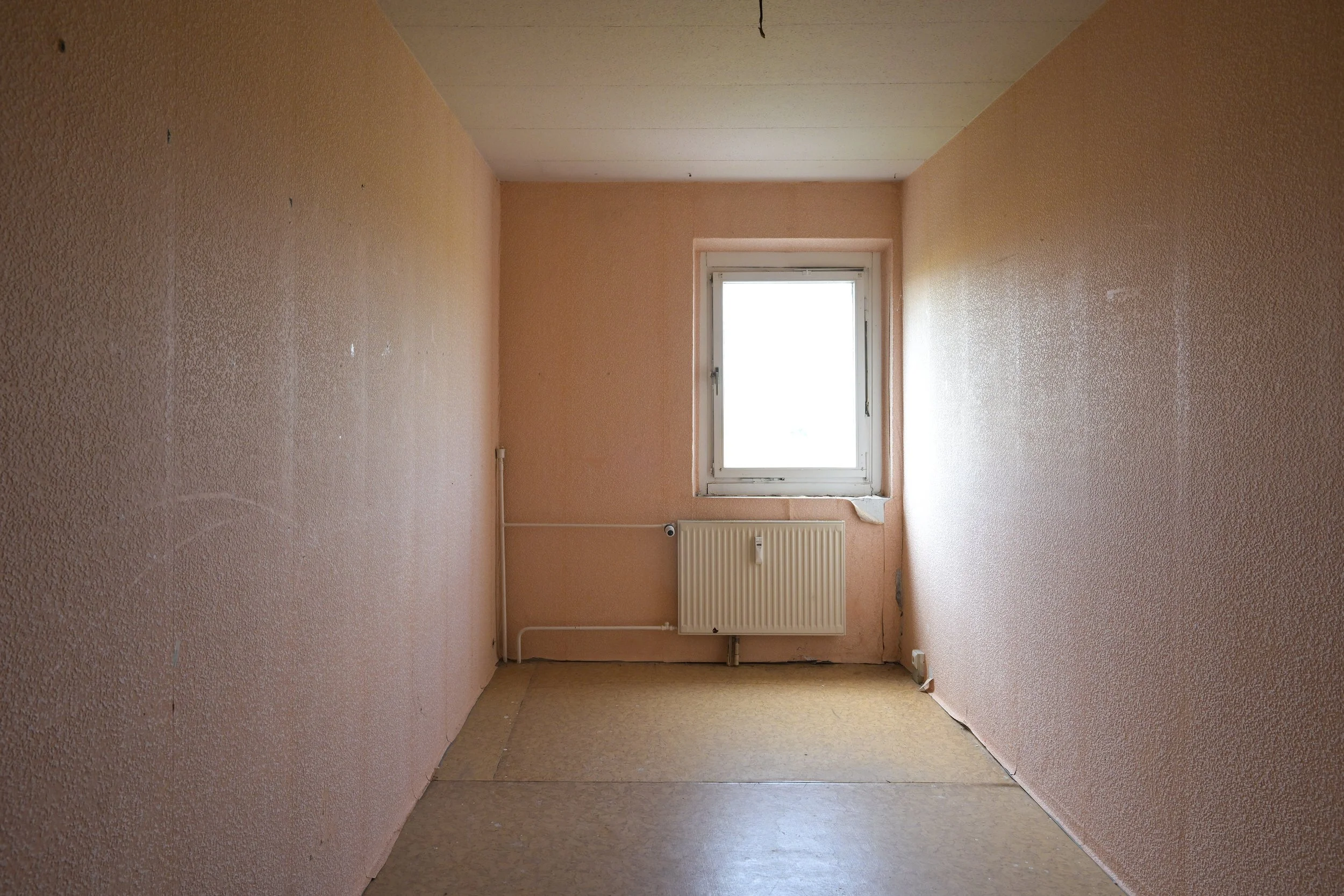
Last November, the legendary hip hop duo Outkast was inducted into the Rock and Roll Hall of Fame. During his induction speech, Andre 3000 (the more eccentric and outspoken of the pair) made a profound observation. He said that “great things start in little rooms.” He went on to say that their group started in a little room—where he played all 8 instruments and recorded 22 “takes” to perfect their first song. Andre’s observation was a line from a song written by Jack Smith (who happened to be present on the evening that they were inducted) and he encouraged emerging artists not to judge their talent or potential by the square footage of the room they currently occupy.
I was so moved by his words that I researched the song. I was surprised to discover that the song (like most piercing and profound insights) isn’t that long. The entire song is one verse, confirming the Shakespearean adage that brevity is the soul of wit. Here are the lyrics:
Well, you’re in your little room and you’re working on something good. But if its’ really good you’re gonna need a bigger room. And when you’re in the bigger room you might not know what to do. You might need to think of how you got started sitting in your little room.
Rarely have I read such encouraging words. So many of us are trying to get into “bigger rooms.” So many of us are strategizing, sacrificing, and suffering to acquire a roomier home, a larger office, or a bigger footprint. And there is certainly nothing wrong with that aspiration. Growth is a divine idea. Actually, it’s more than just that. Growth is a divine commandment. According to Genesis 1:22, the first directive that God gave the human beings that he created was to “be fruitful and multiply.” One of my favorite books (and the one that I most often gift) is “The Growth Mindset” by Carol Dweck.
But despite the biblical imperative to grow, we must never be so fixated on the goal of growth that we forget the process of growth! Everything that grows big was once small. Every man was once a boy. Every tree was once a seed. Every house was once a blueprint. And every company was once at idea. The greatest discoveries, most revolutionary ideas, and destiny altering relationships all begin in small rooms.
There is powerful confirmation of this truth presented in the memoirs of the prophet Elijah. According to 2 Kings 4:8-10, he would often travel past an elderly couples’ home. They were so impressed with Elijah, that the matriarch of the family made the following suggestion to her husband:
I’m certain,” said the woman to her husband, “that this man who stops by with us all the time is a holy man of God. Why don’t we add on a small room upstairs and furnish it with a bed and desk, chair and lamp, so that when he comes by he can stay with us?”
Later, the couple miraculously conceived a child. Tragically, the child died. When the child died, the matriarch of the family laid her child on the bed of the prophet in the small room, and then went to inform him of the tragedy. When Elijah arrived at their home, he went into the small room and went to work.
Elisha entered the house and found the boy stretched out on the bed dead. He went into the room and locked the door—just the two of them in the room—and prayed to God. He then got into bed with the boy and covered him with his body, mouth on mouth, eyes on eyes, hands on hands. As he was stretched out over him like that, the boy’s body became warm. Elisha got up and paced back and forth in the room. Then he went back and stretched himself upon the boy again. The boy started sneezing—seven times he sneezed!—and opened his eyes. [2 Kings 4:32-35]
In that little room, a miracle transpired.
In that little room, a mother’s joy was restored.
In that little room, a father’s faith was strengthened.
In that little room, a prayer was answered.
What little room are you in right now?
Great things still start in little rooms. Never allow the square footage of the room that you currently occupy to shrink the dimensions of your dreams, the horizons of your hopes, or the scale of your plans.
Because if what you’re working on in that little room is good, you’re going to need a bigger room.