
Shiny Object Syndrome
There is a curious vignette from the closing chapters of David's life. I consider it curious because we find David in a position that we are unaccustomed to finding him--and in fact have never found him: he is on the verge of losing a battle. David was at his best on a battlefield. What earned him the undying favor of Israel and a lasting place in the annals of world history was his defeat of a giant named Goliath with only a slingshot. In fact, prior to that battle, he boasted that he would best the giant because while only a teenager, he had also killed a lion and a bear. If you can imagine the strength, skill and courage required to kill a lion, a bear, and a nine foot giant with a stone—then and only then will you begin to appreciate just how extraordinary a warrior David was. And his exploits did not stop there. Estimates vary on how many battles David fought during his storied career. Depending on who is counting, David fought in between 66 and 85 wars—and triumphed valiantly in each one.
That is why the vignette in 2 Samuel 21:15-17 is so curious. This is what is says:
War broke out again between the Philistines and Israel. David and his men went down to fight. David became exhausted. Ishbi-Benob, a warrior descended from Rapha, with a spear weighing nearly eight pounds and outfitted in brand-new armor, announced that he’d kill David. But Abishai son of Zeruiah came to the rescue, struck the Philistine, and killed him. Then David’s men swore to him, “No more fighting on the front lines for you! Don’t snuff out the lamp of Israel!”
There are three aspects of this incident that captured my curiosity. The first aspect of this incident that captured my curiosity was despite his prowess on the battlefield, David “became exhausted.” That is a reminder that all of us have limits. The second aspect of this incident that captured my curiosity was that David’s men decided that it was time for him to retire from the front lines. That is a reminder that we must learn how to fight differently in different stages of our lives. The third aspect of this incident that captured my curiosity was the strategy of his adversary Ishbi-Benob.
Ishbi-Benob had an impressive pedigree and impressive equipment. But what led to his defeat was his unimpressive mentality. He thought that because he was dressed in “brand-new armor” that he could defeat a seasoned warrior like David. He was guilty of “Shiny object syndrome.” According to one definition, shiny object syndrome is a pattern of behavior where an individual or business drops ongoing commitments to chase a new, trendy, or exciting idea, tool, or opportunity.” Far too many of us are addicted to novelty—as if novelty alone is a strategy for victory. All of us like and need the stimulus of new ideas, new environments, and new relationships. But when this quest for novelty causes us to undermine, minimize, or dismiss proven and predictable ideas, environments and relationships, we are teetering on the edge of calamity. We must temper our quest for novelty, and cultivate the attitude to stick with what works.
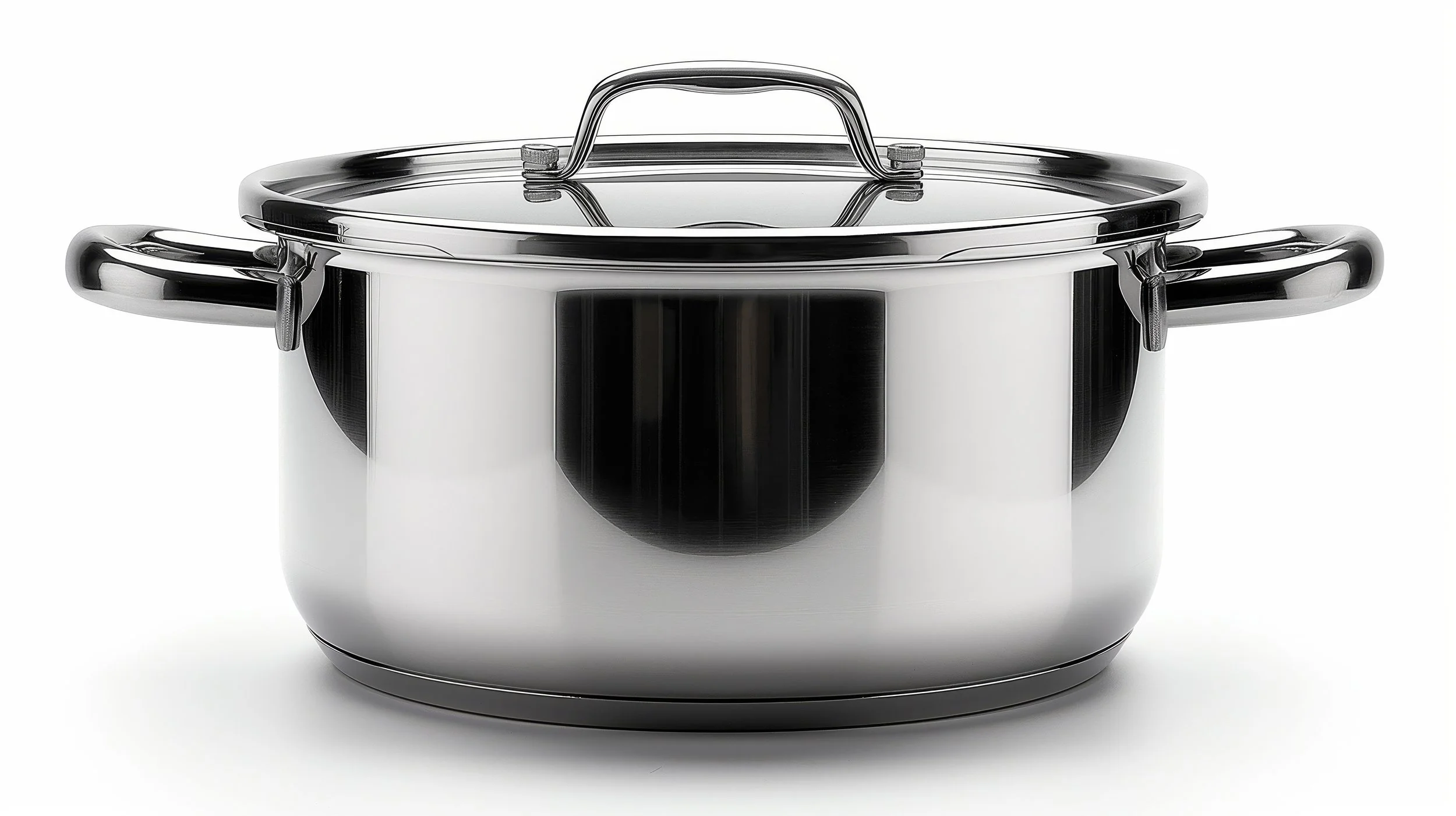
My mother taught me this lesson a few years ago. After watching a show featuring a celebrity chef, I decided that I was going to enhance my culinary skills. I was fascinated by this chef’s charisma, his wardrobe, and especially his equipment. The dish that he prepared (which by the way, I never tasted) looked so tantalizing that I decided I was going to recreate it with the same pots that I saw my now favorite chef so skillfully employ. So off I went to an overpriced store that caters to non-cooks like me. I rushed in and demanded to know where I could find “the copper bottom All Clad pots” that I read about on this celebrity chef’s website. A set was available for a price that I am ashamed to share. I purchased the set, went to another overpriced grocery store and purchased some overpriced fish. Then I proceeded to cooked my overpriced fish in my overpriced copper-bottom All Clad pot. Well, I burned the fish lol.
So I called my mother, trying to figure out what went wrong and what I should do to course correct. I will never forget what she said. She said “the first thing you need to do is take those pots back.” LOL. Good cooking has nothing to do with the pot you use. Good cooking has everything to do with the hands doing the cooking.
So here’s my question for you today: what “shiny objects” are you chasing? If something is working, it may be better to leave good enough alone.